Can I Sue the Insurance Company Directly in California?
Why you cannot name State Farm or GEICO as the defendant in a California personal injury lawsuit: the direct action rule, Evidence Code 1155, and the first-party bad faith exception.
- By
- Victorville PI Resource Editorial Team
- Published
After weeks of lowball offers, delayed responses, and condescending phone calls from the insurance adjuster, many victims reach a breaking point. They want to sue the insurance company directly — to name State Farm, GEICO, Progressive, or whoever is handling the claim as the defendant in a lawsuit and hold them accountable in front of a judge and jury. The frustration is completely understandable. But California law draws a sharp line between the person who caused your injuries and the company that insures them — and understanding that line is essential before you take any legal action. This guide is general legal information, not legal advice.
Why you cannot name the insurance company as the defendant
In a standard California personal injury case — a car accident, a slip and fall, a dog bite — you must sue the individual or entity that caused your injuries. If John Doe ran a red light and hit you, your lawsuit names John Doe as the defendant. You do not name John Doe's insurance company.
This is not a technicality. It is a fundamental principle of California tort law. The insurance company's obligation is to its policyholder — not to you. The insurance company did not cause your injuries. The at-fault party did. The lawsuit must be directed at the person or entity whose negligence caused the harm.
The insurance company's role is contractual: it has an agreement with its policyholder to provide a legal defense and to pay covered damages up to the policy limits. This obligation exists between the insurer and the insured — you are a third-party claimant, and you have no direct contractual relationship with the at-fault driver's insurance company. For a detailed look at what happens when the insurance company denies your claim, our guide covers your options within this framework.
The rule the jury never hears — Evidence Code § 1155
One of the most surprising facts in personal injury law is that during a trial, the jury is not allowed to know that the defendant has insurance. California Evidence Code § 1155 (opens in new tab) makes evidence of liability insurance inadmissible to prove that a person acted negligently or wrongfully.
This means that during the trial, the jury evaluates the case without knowing that an insurance company will pay any judgment. They see the individual defendant — not a corporate insurance giant. The plaintiff's attorney cannot mention that the defendant has a $100,000 or $500,000 policy. The defense attorney cannot argue that the insurance company has already made a reasonable offer.
The rationale behind this rule is that knowledge of insurance could prejudice the jury. If jurors know that an insurance company — not the defendant personally — will pay the judgment, they might be more inclined to award higher damages or find fault more easily. The law requires that the case be decided on the merits — the facts of the accident, the severity of the injuries, and the applicable law — without the influence of who is actually writing the check.
What the insurance company does behind the scenes during a lawsuit
Although the insurance company is not named as a defendant, it is deeply involved in every aspect of the litigation. The moment a lawsuit is filed against its policyholder, the insurance company's obligations under the policy activate.
The insurer selects and pays for the defendant's attorney. The insurance company's claims department works closely with the defense attorney to develop strategy, evaluate the case, and make settlement decisions. The adjuster who has been handling your claim does not disappear when a lawsuit is filed — they continue to manage the file from behind the scenes.
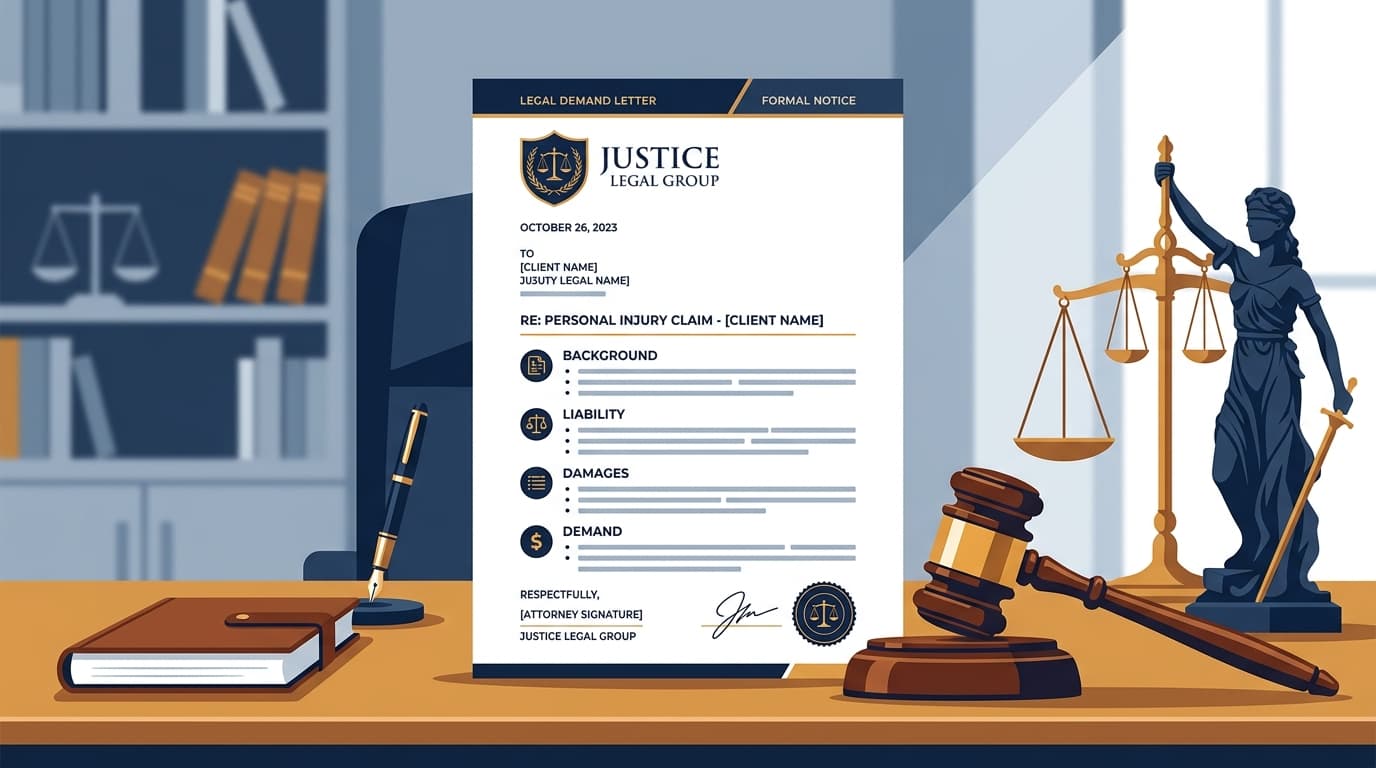
The insurer also controls the settlement authority. The defense attorney cannot settle the case without the insurance company's approval, and the insurance company determines how much money is available to offer in settlement. This is why the demand letter — the formal document that presents your damages and demands a specific amount — is addressed to the adjuster, not to the defendant personally. The adjuster is the person who controls the money.
The one exception: suing your own insurer for bad faith
There is one important exception to the rule that you cannot sue an insurance company directly: you can sue your own insurance company for bad faith.
When you purchase an insurance policy, your insurer owes you a duty of good faith and fair dealing. This means they must investigate your claims promptly and thoroughly, evaluate them fairly, and pay valid claims within a reasonable time. If your own insurer unreasonably denies your claim, delays payment without justification, or refuses to settle within policy limits when it should, you may have a first-party bad faith claim against them.
First-party bad faith claims can produce damages that far exceed the original policy benefits. If the court finds bad faith, you may recover the original policy benefits, consequential economic damages caused by the denial, emotional distress damages, attorney fees under the Brandt Rule, and in extreme cases involving fraudulent, oppressive, or malicious conduct, punitive damages.
This exception applies only to your own insurer — never to the other driver's insurance company. A third-party claimant generally cannot sue the other driver's insurer for bad faith in California.
What this means for your settlement strategy
Understanding these rules changes how you approach your case. The insurance company is not your opponent in a legal sense — the at-fault driver is. But the insurance company is the entity that controls the money, pays the defense attorneys, and makes the settlement decisions.
Your strategy should account for this reality. The demand letter is directed at the adjuster. The negotiation is conducted with the adjuster. The settlement authority comes from the adjuster's supervisor. And the decision to file a lawsuit — which increases the insurer's risk exposure and defense costs — is the leverage that moves the negotiation forward.
When the adjuster's lowball offers and delay tactics have failed to produce a fair result, the next step is filing a lawsuit against the at-fault driver. The insurance company must then defend its policyholder, pay for the litigation, and face the increasing risk of a jury verdict that exceeds the settlement offer. A Victorville personal injury lawyer understands how to navigate this dynamic — applying pressure to the insurer through the legal process while maintaining the leverage needed to maximize your settlement.
This resource is independent and free to use. It is not a law firm and does not provide legal advice. For advice about your specific situation, speak with a qualified attorney.