Truck Accident Evidence Checklist
Commercial truck crashes involve evidence that can disappear fast. Use this checklist to understand what matters and why acting quickly protects a claim.
- By
- Victorville PI Resource Editorial Team
- Published
- Updated
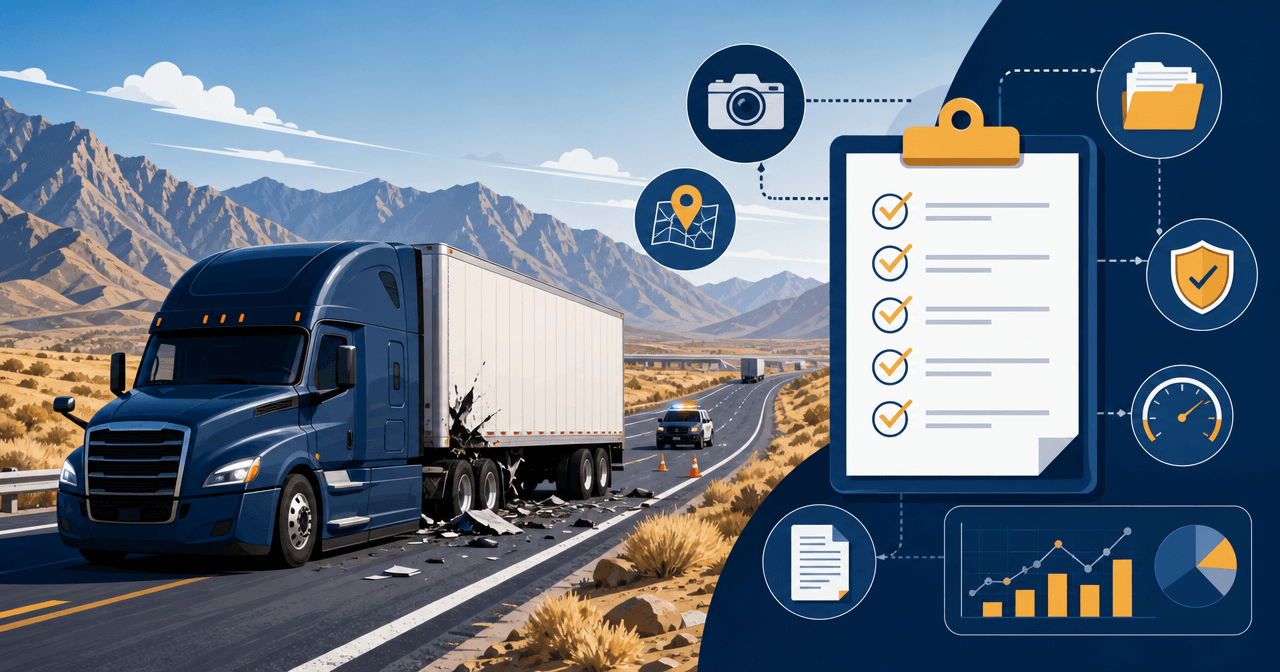
Crashes involving big rigs and commercial trucks are different from ordinary car accidents. The injuries tend to be more serious, multiple parties may share liability, and crucial evidence can be altered or destroyed within days. Along the I-15 freight corridor through Victorville and the Cajon Pass, collisions involving commercial trucks are an ever-present risk. This checklist explains the evidence that often matters most. It is general legal information, not legal advice.
Why truck evidence is different
A commercial truck generates records a passenger car never does — electronic logs, onboard data, inspection histories, and corporate paperwork. Much of it is controlled by the trucking company and subject to retention rules that allow it to be overwritten or discarded over time. That is why a prompt evidence-preservation request (often called a "spoliation letter") can be so important.
The evidence checklist
At and around the scene
- The police or CHP collision report
- Photos and video of all vehicles, debris fields, skid marks, and road conditions
- The truck's company name, USDOT number, and trailer markings
- Names and contact details for the driver and any witnesses
From the truck and driver
- Electronic logging device (ELD) data showing hours of service
- Event data recorder ("black box") information such as speed and braking
- Driver qualification file and driving history
- Drug and alcohol testing records, where applicable
From the carrier
- Vehicle inspection, maintenance, and repair records
- Cargo loading and weight documentation
- Dispatch records and the bill of lading
- The company's insurance and safety history
Who may share responsibility
Truck cases often involve more than one potentially responsible party:
- The driver
- The trucking company that employed or contracted the driver
- A separate company that loaded or maintained the vehicle
- The manufacturer of a defective part
Identifying every responsible party matters because it can affect the insurance coverage available to compensate an injured person.
Federal safety rules
Interstate trucking is governed by the Federal Motor Carrier Safety Regulations, which set standards for driver hours, vehicle maintenance, and recordkeeping. A violation of these rules can be powerful evidence of negligence.
Why timing is everything
Because logs can be overwritten, vehicles repaired, and memories fade, the window to secure truck evidence is short. Following the critical steps to take immediately after any collision will help preserve key details while they are still available. If you or a loved one was hurt in a truck crash, a prompt free consultation can help ensure the right preservation steps are taken before key records are gone.
This resource is independent and free to use. It is not a law firm and does not provide legal advice. For advice about your specific situation, speak with a qualified attorney.