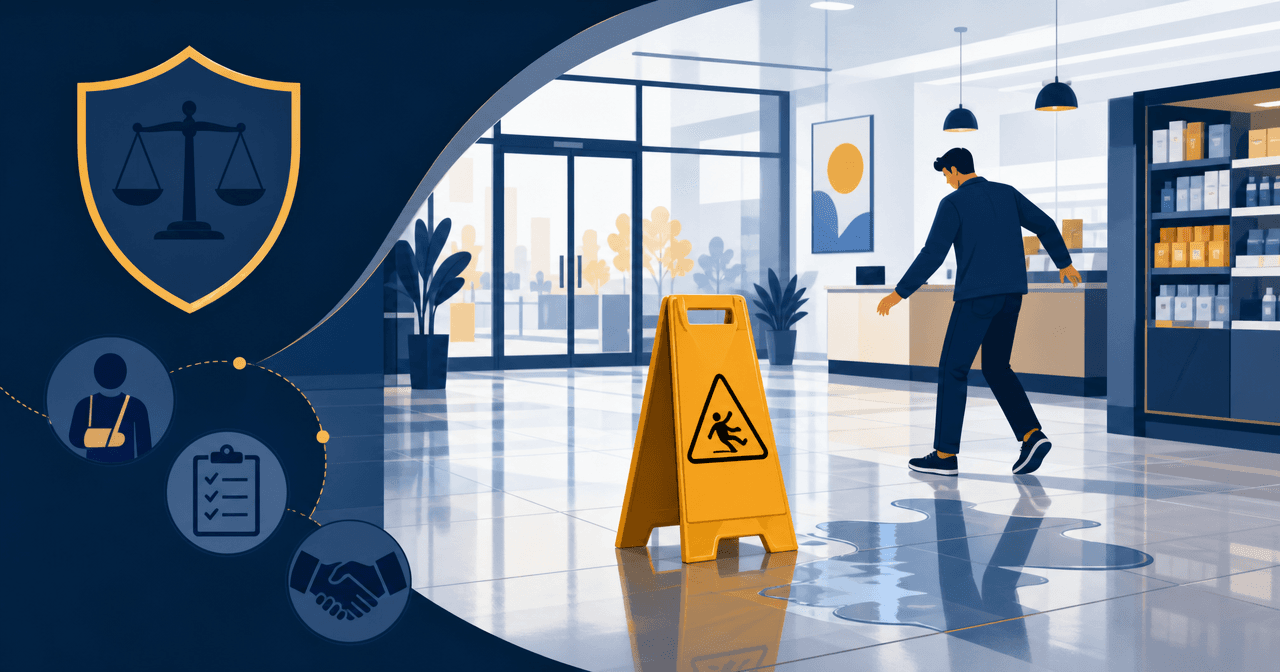
Slip and Fall Hazards in Victorville Retail Stores
Common slip and fall hazards at retail stores and parking lots in Victorville, from heat-damaged pavement to blown-in sand, and what property owners are required to do.
- By
- Victorville PI Resource Editorial Team
- Published
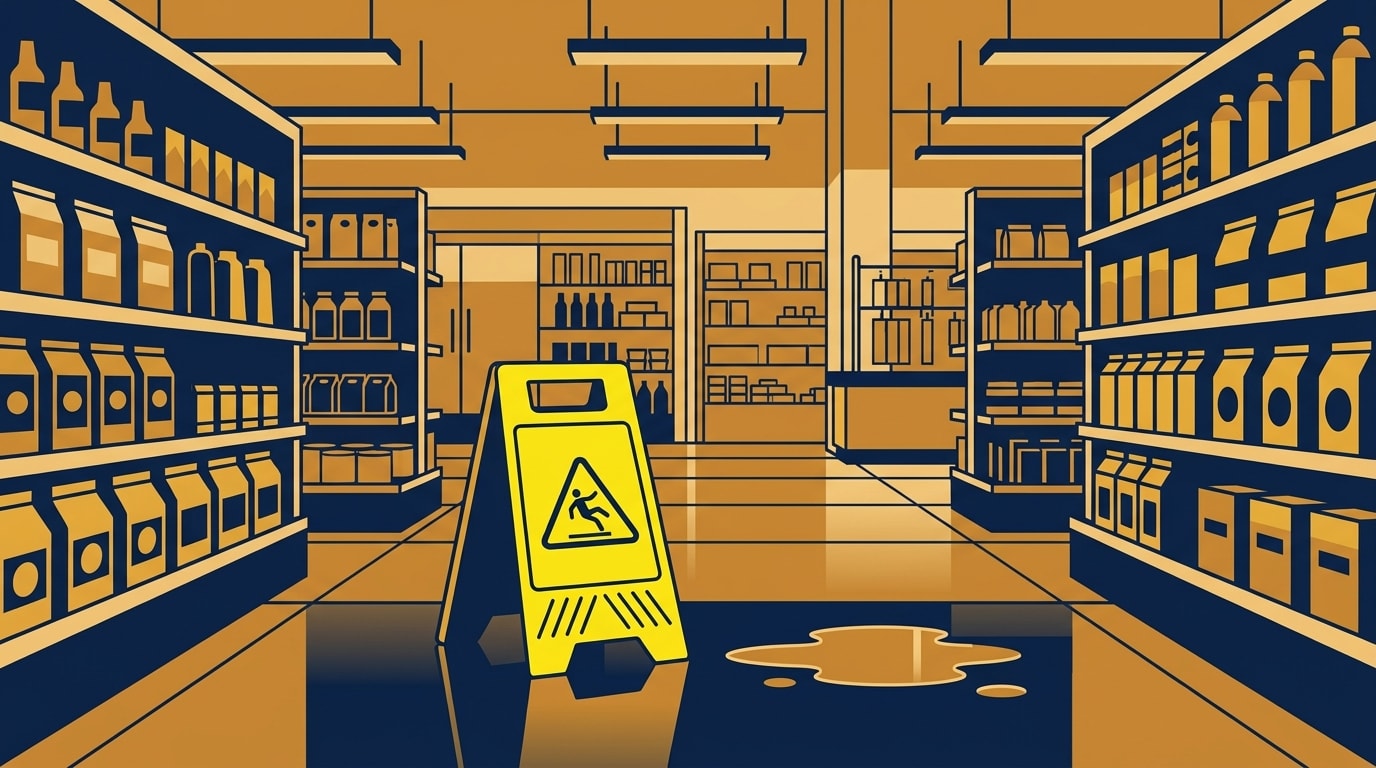
Victorville's retail corridors — especially along Bear Valley Road and Amargosa Road — draw heavy foot traffic to big box stores, grocery chains, and strip malls throughout the year. The same desert conditions that define daily life in the High Desert also create fall hazards that shoppers in milder climates rarely encounter. This article identifies the most common ones and explains what property owners are generally expected to do about them. It is general legal information, not legal advice.
Damaged pavement and uneven surfaces
Parking lots take a beating in the High Desert. Extreme daytime heat followed by sharp overnight temperature drops creates a cycle of thermal expansion and contraction that accelerates asphalt deterioration. Over time, that produces cracks, potholes, sunken sections, and raised concrete seams — especially in older shopping centers that have deferred maintenance.
These uneven surfaces are a leading cause of trips and falls in retail parking lots. The hazard is often worse near cart corrals, curb transitions, and handicap ramps where foot traffic is concentrated and pavement wear is heaviest.
Sand, wind, and desert storm hazards
The open terrain around Victorville makes the area prone to strong, sustained winds that push fine desert sand across parking lots and into store entryways. A thin layer of sand on polished tile or sealed concrete can be as slippery as ice.
Sudden desert storms compound the problem. Victorville receives most of its limited rainfall in short, intense bursts that shoppers and store employees are often unprepared for. Water gets tracked into entryways, pooling on smooth floors without adequate mats or warning signs. Unlike cities where rain is routine, many High Desert retail locations do not have wet-weather protocols in place because the need arises so infrequently.
Common hazards inside retail stores
Beyond the parking lot, the interior of a retail store carries its own risks:
- Produce and liquid spills — grocery stores along Bear Valley Road handle high volumes of fresh produce, beverages, and refrigerated goods. A dropped grape or a leaking container can create a slip hazard that goes undetected for far longer than it should.
- Cluttered aisles — big box stores on Amargosa Road frequently use floor displays, restocking pallets, and seasonal merchandise that narrow walkways and create trip points.
- Inadequate floor mats — entryway mats that are too small, wrinkled, or saturated stop absorbing moisture and can themselves become a fall hazard.
- Poor lighting — dimly lit aisles and parking structures make it harder for shoppers to notice wet patches, uneven surfaces, or obstacles in their path.
What property owners are required to do
Under California premises liability law, store owners and property managers owe customers a duty of reasonable care. That means they are expected to inspect their property on a regular basis, fix known hazards within a reasonable time, and warn visitors about dangers that have not yet been corrected.
A key concept is constructive knowledge: even if a store manager did not personally see a spill, the business can still be held responsible if a reasonable inspection routine would have caught it. A puddle that sat in an aisle for forty-five minutes without being addressed looks very different — legally — from one that appeared moments before a fall.
Understanding how premises liability claims work in California is important context for anyone who has been injured in a store or parking lot, because the strength of a claim often depends on what the property owner knew, or should have known, and how long the hazard was allowed to persist.
Protecting a claim after a fall
The steps you take immediately after a fall can shape the outcome of a potential claim:
- Report the incident to the store manager and ask for a written incident report.
- Photograph the exact hazard — the spill, the cracked pavement, the missing floor mat — before it is cleaned up or repaired.
- Note the names of any witnesses and the time of the fall.
- Request that surveillance footage be preserved (stores often overwrite security video within days).
- Seek medical attention promptly, even if your injuries seem minor at first.
For a deeper look at the legal elements you generally need to establish, read the California slip and fall injury guide, which explains duty of care, the four elements of a claim, and what evidence tends to matter most. A free consultation can help you evaluate whether the facts of your situation support a premises liability case.
This resource is independent and free to use. It is not a law firm and does not provide legal advice. For advice about your specific situation, speak with a qualified attorney.