The Most Dangerous Intersections in Victorville, CA
A look at the high-risk intersections and corridors in Victorville, what makes them dangerous, and what to know if you are involved in a crash.
- By
- Victorville PI Resource Editorial Team
- Published
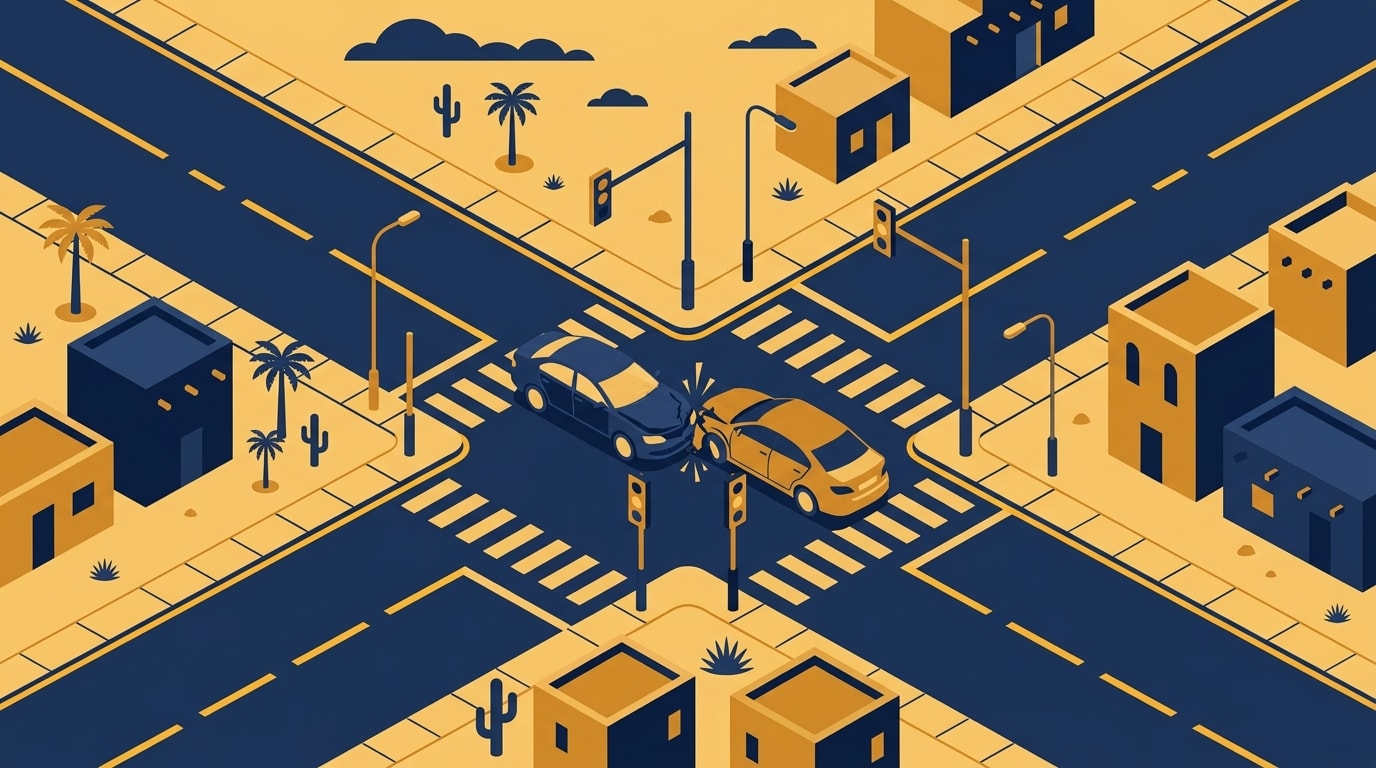
Victorville sits at the crossroads of some of the busiest corridors in the High Desert. Heavy commuter traffic, fast-moving highways, and rapidly growing commercial areas all converge in a relatively compact stretch of road — and certain intersections consistently see more collisions than others. This guide identifies the corridors and intersections that tend to pose the greatest risk and explains what contributes to the pattern. It is general legal information, not legal advice.
Bear Valley Road: the busiest corridor
Bear Valley Road is one of the highest-volume arterials in the city. It connects major retail centers, residential neighborhoods, and freeway on-ramps, which means traffic density stays elevated for much of the day. The intersection of Bear Valley Road and Hesperia Road — near the border of Victorville and Apple Valley — is widely regarded as one of the area's most collision-prone locations.
High turn volumes, competing left-turn signals, and a steady flow of drivers entering and exiting nearby shopping centers create conditions where rear-end crashes and broadside collisions occur regularly. During evening rush hours and weekends, congestion compounds the risk.
Highway 395: speed and transition zones
Highway 395 runs through Victorville as a divided highway that transitions between higher-speed stretches and slower, signalized intersections. That combination is a consistent source of accidents. Drivers traveling at highway speeds do not always slow in time for traffic stopped at a light, and the speed differential between through-traffic and turning vehicles can be severe.
Excessive speeding is a well-documented factor on this corridor. The faster a vehicle is traveling, the less time a driver has to react — and the more devastating the impact when a collision occurs.
Amargosa Road, Mojave Drive, and Palmdale Road
Beyond the two most prominent corridors, several other Victorville roads see a disproportionate share of incidents:
- Amargosa Road carries heavy traffic between residential areas and commercial centers on the city's east side. Speeding and distracted driving are frequently cited contributing factors at its major intersections.
- Mojave Drive connects key parts of the city and experiences congestion during peak commute windows, particularly where it intersects with other arterials.
- Palmdale Road passes through older commercial stretches where driveway density, limited turn lanes, and inconsistent pedestrian infrastructure add complexity for drivers.
These corridors share a common thread: high volumes of traffic moving through intersections that were often designed for a smaller, less congested city.
What makes an intersection dangerous
No single factor explains every crash, but the same contributors appear again and again at Victorville's high-risk intersections:
- Congestion near major retail hubs — when traffic backs up at intersections near shopping centers, drivers make rushed lane changes and aggressive left turns.
- Excessive speed — particularly on Highway 395 and longer stretches of Bear Valley Road, where drivers carry highway speeds into areas with cross-traffic and pedestrians.
- Distracted driving — phone use, in-car distractions, and inattention at red lights contribute to rear-end collisions and failures to yield.
- Complex intersection geometry — some intersections handle high volumes of left-turn, right-turn, and through-traffic simultaneously, without adequate turn phases or lane separation.
Understanding how California car accident claims are evaluated can be valuable context for anyone who drives these corridors regularly, because the circumstances of a crash — speed, visibility, traffic control signals — directly shape how fault is assessed.
When fault is shared
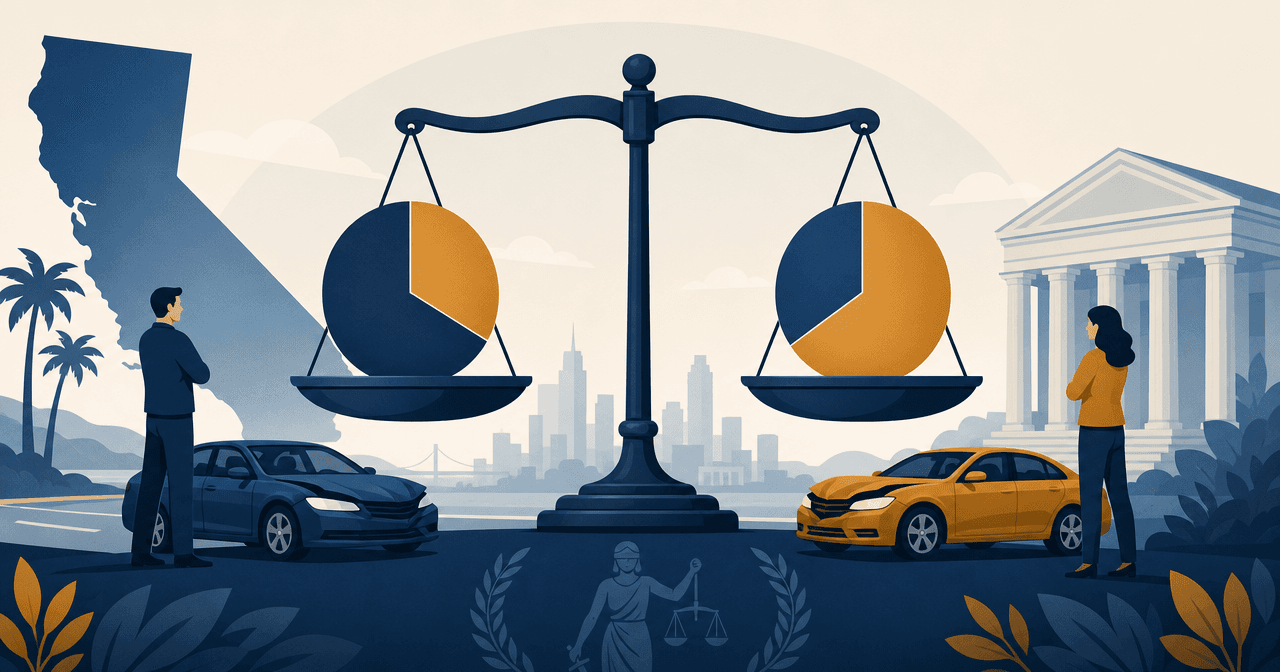
Intersection collisions frequently involve disputed fault. One driver may have run a yellow light while the other made a left turn without a clear gap. In these situations, California's pure comparative negligence rule means that even a driver who was partly at fault may still recover a portion of their damages.
Understanding how California's shared-fault rule may affect your recovery is important, because insurers routinely use shared-fault arguments to reduce what they pay.
Staying safe and protecting a potential claim
Awareness of which roads carry the highest risk is a practical first step. Slowing down at the intersections identified above, avoiding distractions, and leaving extra following distance in congested areas can reduce exposure — though no amount of caution eliminates risk entirely when other drivers are negligent.
If you are involved in a collision at one of these intersections, document the scene, seek medical attention, and be cautious about early conversations with insurers. A free consultation can help you understand whether the specific facts of your crash support a claim.
This resource is independent and free to use. It is not a law firm and does not provide legal advice. For advice about your specific situation, speak with a qualified attorney.